Planning a trip to Italy in 2026? While the charm of the Italian peninsula remains timeless, the logistics of visiting its most famous landmarks are undergoing a significant transformation. As the country grapples with the pressures of overtourism, Italy in 2026 will see the introduction of new entry fees, stricter access controls, and a shift toward a “pay-to-view” model for several iconic attractions. This is both to limit the masses visiting the sights, and to support their preservation.
This is changing for tourists in Italy in 2026
Rome: Paying for a Coin Toss at the Trevi Fountain
The most talked-about change for 2026 concerns the Eternal City. Starting February 1, 2026, visitors wishing to access the lower basin and the famous stone steps of the Trevi Fountain will be required to pay a €2 fee. While you can still admire the Baroque masterpiece in Rome from the surrounding square for free, those wanting to get close enough for a traditional coin toss must purchase a ticket during peak hours.
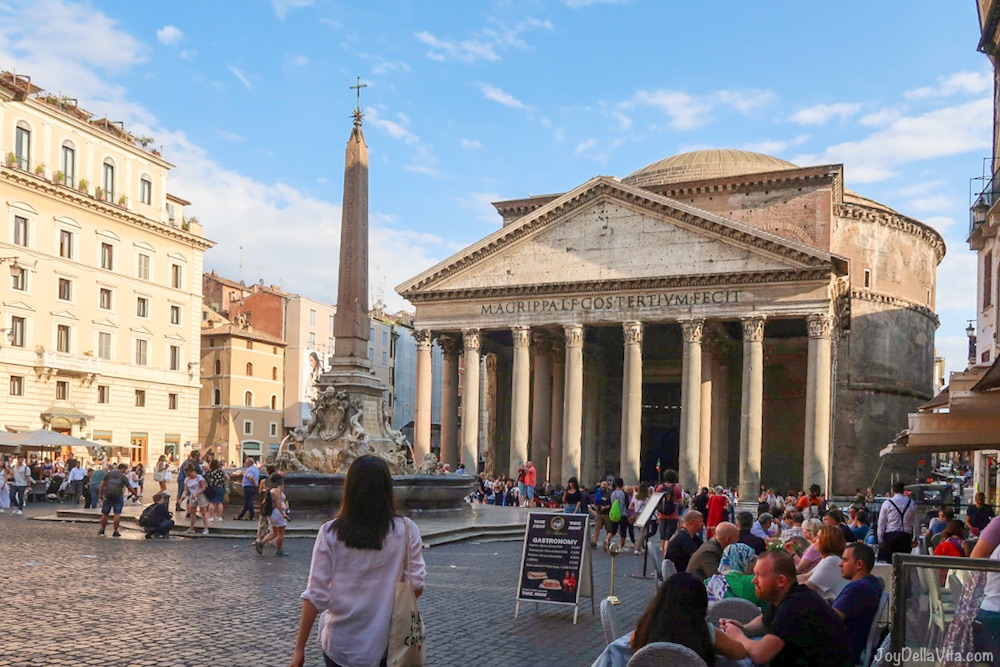
This measure follows the success of the entry fee for the Pantheon, which remains in effect. When planning your trip to Rome, it is also important to note that the MACRO Museum has reintroduced entrance fees, and several major exhibitions—such as the Bernini showcase at Palazzo Barberini—will require timed reservations well in advance.

Verona: The End of Free Love (Luck)
In the romantic city of Verona, a long-standing tradition is becoming a ticketed experience. The courtyard of the Casa di Giulietta (Juliet’s House), where millions have gathered to touch the breast of the Juliet statue for good luck, is no longer freely accessible.
To manage the crushing crowds, access to the courtyard now requires a museum ticket, costing approximately €12. Furthermore, for those lucky enough to stand on the famous balcony, a strict 60-second time limit for photos is being enforced to keep the visitor flow moving.

Venice: Expansion of the Day-Tripper Tax
Venice continues to lead the way in crowd management. In 2026, the city is expanding its “Contributo di Accesso” (Access Fee). The €5 fee (which can rise to €10 for last-minute bookings) will now be required on 60 specific peak days between April and July. Day-trippers must register online to receive a QR code, while overnight guests are exempt but must still register for an exemption certificate.

Important Logistics: ETIAS and EES
Beyond individual cities, the broader European travel landscape is changing. By late 2026, the ETIAS (European Travel Information and Authorisation System) is expected to be fully operational, requiring visa-exempt travelers (such as those from the US, UK, and Canada) to pay a €20 fee for a three-year travel authorization.
As Italy moves toward a more regulated tourism model, travelers are encouraged to book all major attractions weeks—if not months—in advance to ensure a seamless holiday in Italy in 2026.
What new tourist fees are being introduced in Italy for 2026?
In 2026, several iconic Italian landmarks will introduce new visitor costs: Rome’s Trevi Fountain charges €2 to access the lower basin for a coin toss during peak hours; Verona’s Casa di Giulietta courtyard now requires a museum ticket; and Venice expands its Access Fee on 60 peak days in spring and summer.
Do overnight guests still pay the Venice access tax?
Overnight visitors to Venice are exempt from the day-tripper Access Fee, but they still need to register online to obtain an exemption certificate. Day-trippers must book and pay the fee in advance using a QR code system.
How does the new ETIAS travel system affect visitors to Italy?
By late 2026, the European Travel Information and Authorisation System (ETIAS) is expected to be fully operational. Visa-exempt travellers (e.g., from the US, UK, Canada) will need to apply online and pay a small fee for a three-year travel authorisation before entering Italy and other Schengen countries.
Should I book attraction tickets in advance for Italy in 2026?
Yes. Due to the rise of entrance fees and controlled access systems, major attractions like the Pantheon, exhibitions in Rome, and other popular sites often require timed reservations weeks or even months ahead to secure entry and avoid sold-out dates.







Leave a Reply