
advertisement
Lupin coffee probably isn’t the first thing you’d expect on a blog about Italy. Italians and coffee are a love story with rules: espresso drunk standing at the bar, no cappuccino after lunch, a moka pot gurgling in pretty much every kitchen. So why would anyone in Italy drink something that doesn’t contain a single coffee bean?
Coffee without coffee? Italy has done this before
Ask for a caffè d’orzo – barley “coffee” – in almost any Italian bar and nobody will blink. In the leaner decades of the last century, when real beans were scarce or simply too expensive, families roasted barley, chicory and lupins instead. (If you’re wondering why the real thing is so sacred, here’s my take on why Italian espresso beats regular coffee.)
The most charming example is up in the mountains. In Anterivo, a tiny village in South Tyrol right on the border with Trentino, farmers have grown their own lupin in kitchen gardens since at least 1887 and turned it into the “caffè di Anterivo” – Altreier Kaffee in German. It was drunk daily until the 1960s, then almost disappeared once real coffee got cheaper. A group of local farmers revived it in the early 2000s, and today it’s a Slow Food Presidium.
Where white lupins grow in Italy
The lupin most Italians know is the white lupin, Lupinus albus – the most widely grown species in the country, mainly in the centre and south: Lazio, Campania, Calabria, Puglia, Basilicata and Tuscany. But here’s the funny part. Most Italians don’t drink it; they snack on it. Lupini in brine (Lupini in Salamoia) are a classic salty nibble at aperitivo time, and in many southern homes a bowl appears on the table at Christmas.
One variety even has its own fan club: the Vairano giant lupin, grown on volcanic soil near Caserta, right on the border between Campania and Lazio. And lupins are slowly coming back: Italy’s lupin fields have passed 1,000 hectares again, according to Il Sole 24 Ore – still far from the roughly 40,000 hectares of the early 20th century.
How lupin coffee is made
Dried lupin seeds go into a drum roaster, just like coffee beans, and are then ground. A light roast tastes sweeter and a bit like bread. Go darker, and you get chocolate and malt. If you’ve ever watched coffee beans roasting live, you know the smell.
One honest tip: don’t roast the lupini from the market yourself. Wild and traditional varieties are bitter for a reason, and that’s why they’re soaked for days before anyone eats them. Lupin coffee is made from sweet lupins, so I’d always buy it ready-roasted.
Why lupin coffee is worth a try
Lupins are naturally caffeine-free, so there’s no chemical decaf process involved. Which means you can have a cup at nine in the evening and still sleep. There’s also no coffee acid, and plenty of people find it easier on the stomach than espresso. And the lupins for many brands grow in Europe, sometimes just a few hours from the roastery.
Taste-wise? Nutty, malty, a little chocolatey. It won’t fool an Italian nonna, let’s be honest. But with a splash of milk of your choice, it makes a really cosy cup. One important note: lupin is one of the 14 major food allergens in the EU, and people with a peanut allergy may react to it too.
How to brew lupin coffee the Italian way
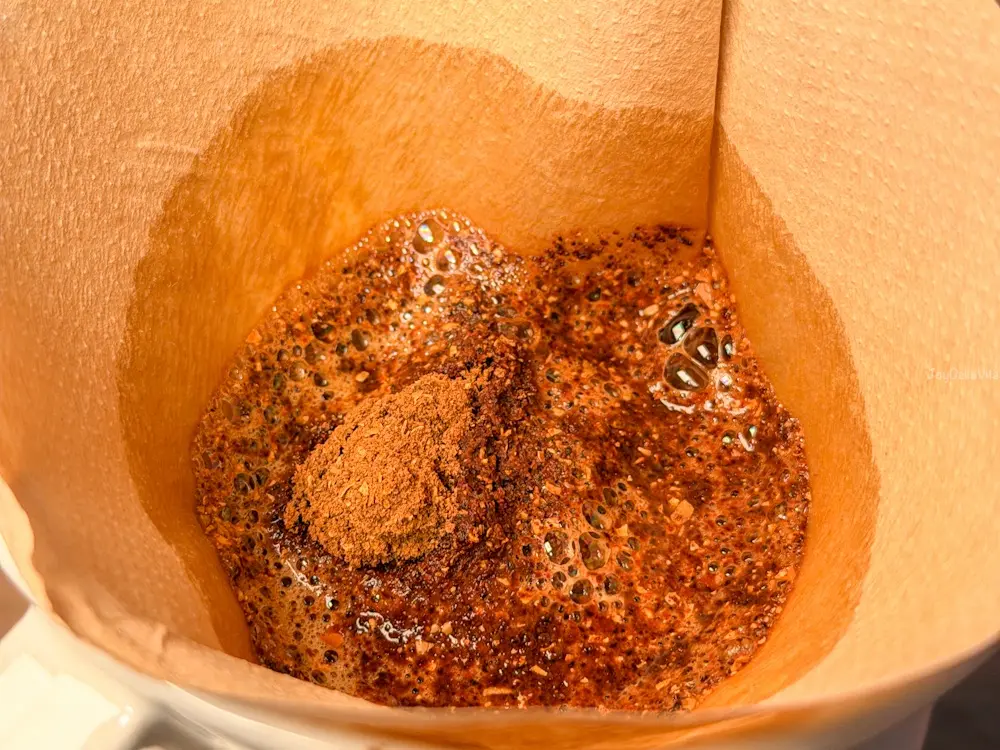
I’d go for the moka pot – it just feels the most Italian. Use a medium grind, fill the basket loosely without pressing, and keep the heat low. In a French press, take about one heaped tablespoon per 250 ml and let it steep for four to five minutes. Filter and portafilter work too.
If you buy whole beans, be warned: they’re much harder than coffee beans. Use a sturdy grinder and keep them far away from your bean-to-cup machine. And yes, the sugar-before-milk rule applies here too.
Will it replace my morning espresso? No. But for the afternoon cup I don’t really need – or the one after dinner – lupin coffee is a lovely thing to have in the cupboard.
Want to try lupin coffee at home? My picks

KoRo Organic Lupin Coffee – Whole Bean (1 kg)
For anyone who likes to grind fresh. 100% mildly roasted organic lupins, nutty with a hint of chocolate – and the big bag lasts a good while. Just remember: the beans are hard, so use a sturdy grinder, not a bean-to-cup machine.

Loffee Organic Lupin Coffee “Der Intensive” (720 g, ground)
The easiest way to start. Organic lupins grown in Bavaria, drum-roasted like proper coffee, with notes of malt, caramel and dark chocolate. Already ground, so it goes straight into your moka pot or French press.

Superitalia Energy & Focus Instant Cappuccino (11 servings)
Not lupin coffee – but made in Italy, for the days you do want your caffeine. An instant cappuccino with oat, Lion’s Mane extract and vitamins, with around 100 mg caffeine per serving. Just stir into hot or cold water.
Affiliate links: As an Amazon Associate I earn from qualifying purchases – at no extra cost to you.

Lupin Coffee: Your Questions Answered
What does lupin coffee taste like?
Lupin coffee tastes nutty and malty, with hints of chocolate and caramel. It’s softer and less bitter than espresso – closer to an Italian caffè d’orzo than to a ristretto. A splash of milk or oat milk brings out the sweeter notes.
Does lupin coffee contain caffeine?
No, pure lupin coffee is naturally caffeine-free. Lupins never contained caffeine in the first place, so there’s no decaffeination process involved. Just check the label: some blends mix lupins with real coffee beans.
Is lupin coffee traditional in Italy?
Yes, in a few places. The best-known example is the “caffè di Anterivo” from the mountain village of Anterivo (Altrei) in South Tyrol, made from locally grown lupins for well over a century and now protected as a Slow Food Presidium. In most of Italy, though, lupins are eaten as a salty snack, and barley is the more common coffee substitute.
Can you make lupin coffee in a moka pot?
Yes, a moka pot works really well with lupin coffee. Use a medium grind, fill the filter basket loosely without pressing, and brew on low heat. You might want slightly more powder than with regular coffee for a fuller taste.
Who should avoid lupin coffee?
Anyone with a lupin allergy should avoid it, and people with a peanut allergy should be careful, as the two can cross-react. Lupin is one of the 14 allergens that must be labelled in the EU. Some products may also contain traces of gluten, so read the packaging if that matters to you.
Where can you buy lupin coffee in Italy?
Organic food shops and some erboristerie (herbal shops) stock coffee substitutes, and lupin coffee is easy to order online. If you’re travelling through South Tyrol, look out for the caffè di Anterivo, which the local producers sell all year round.









Leave a Reply